





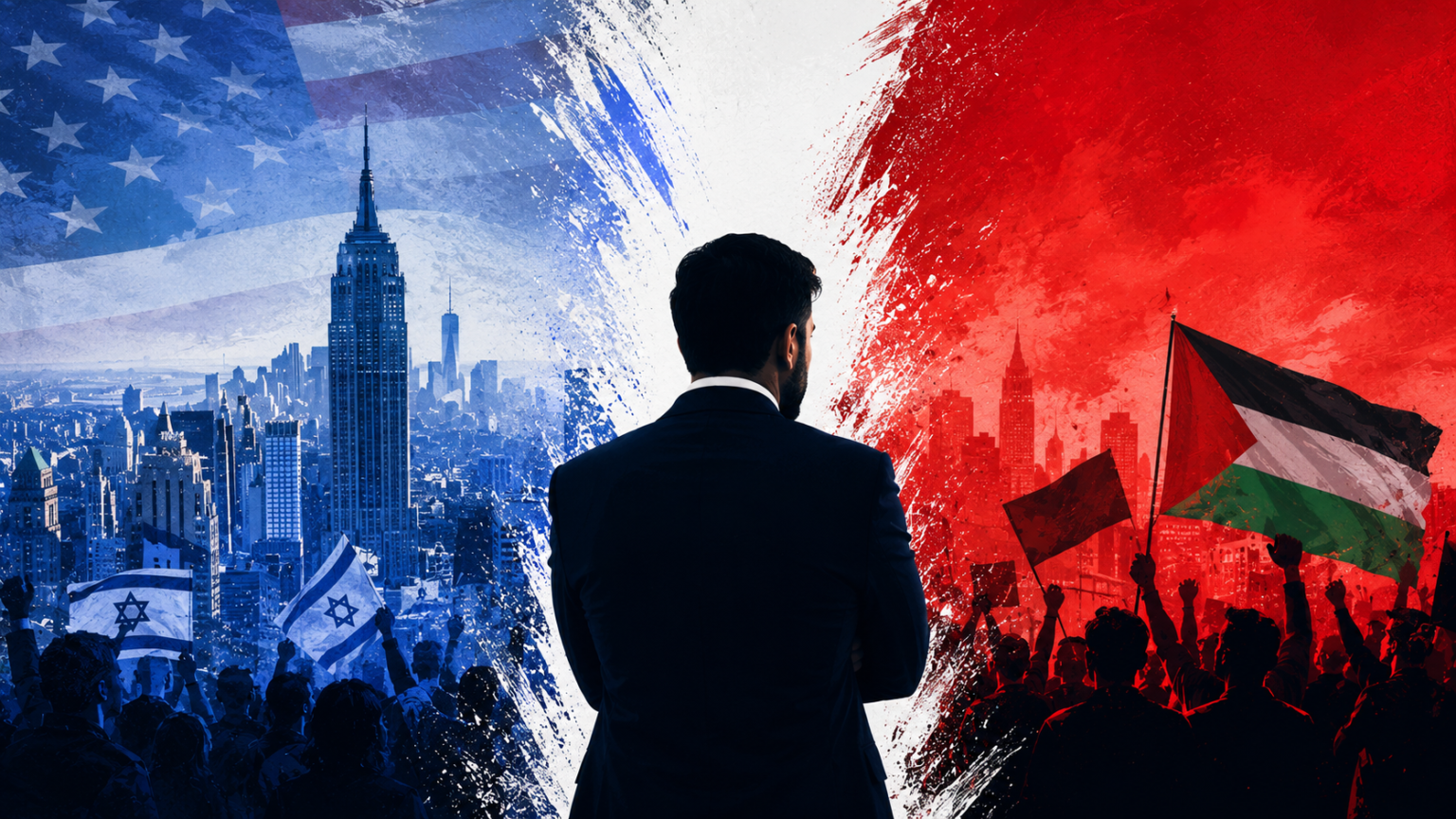
New York City has found itself at the center of a growing political controversy after Mayor Zohran Mamdani chose to boycott the city’s annual Israel parade, becoming the first New York mayor to miss the event since it was established in 1964.
The annual parade, long considered one of the largest public demonstrations of support for Israel in the United States, has traditionally attracted political leaders from across the political spectrum. For decades, attendance by New York’s mayor was viewed as almost automatic — a symbolic gesture reflecting the city’s deep historical, cultural, and political ties with the Jewish community and Israel.
Mamdani’s absence therefore immediately triggered intense reactions across New York politics.
Supporters of the mayor defended the decision as a reflection of shifting political attitudes within parts of the Democratic Party, particularly among progressive voters who have become increasingly critical of Israeli government policies and military actions in Gaza and the occupied territories. Some activists praised the boycott as a statement against ongoing violence in the Middle East and called it part of a broader movement demanding a reassessment of U.S. and local political support for Israel.
Critics, however, accused the mayor of abandoning a decades-long civic tradition and deepening divisions within an already polarized political climate. Several Democratic leaders in New York publicly condemned the move, arguing that the parade represents solidarity with New York’s Jewish community rather than endorsement of every Israeli government policy.
Jewish organizations and pro-Israel groups expressed disappointment, with some describing the decision as unprecedented and damaging to relations between City Hall and parts of the Jewish community. Political opponents also seized on the controversy, portraying the boycott as evidence of growing fractures inside the Democratic Party between establishment figures and progressive activists.
The incident highlights a wider national debate unfolding inside American politics. In recent years, disagreements over Israel and the Palestinian issue have increasingly divided Democrats, especially younger progressive voters and lawmakers who have pushed for stronger criticism of Israeli military operations and U.S. foreign policy in the region.
New York, home to one of the world’s largest Jewish populations outside Israel, has become one of the main battlegrounds for these debates. The city’s political environment now reflects the broader ideological struggle shaping the future direction of the Democratic Party across the United States.
Despite the backlash, Mayor Mamdani has not indicated any intention to reverse his position. His supporters argue that political leaders should not be obligated to participate in symbolic events they politically disagree with, while opponents insist the mayor’s role requires maintaining long-standing traditions that unite diverse communities across the city.
As reactions continue to unfold, the controversy surrounding the parade has evolved beyond a single event. It has become a symbol of the changing political landscape in America — where issues once considered politically untouchable are now openly contested inside both local and national politics.