






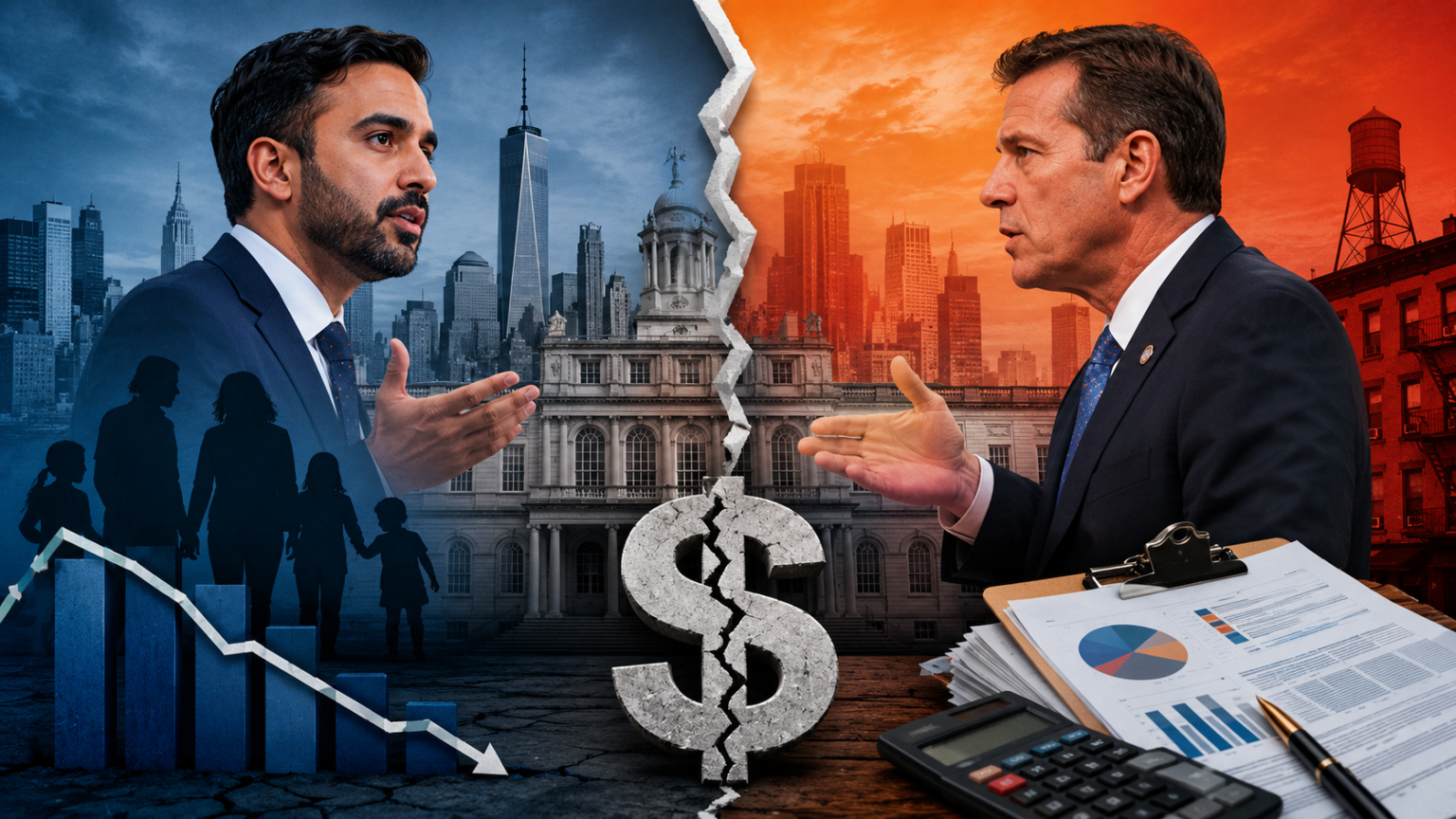
New York City is facing a tense budget standoff as Mayor Zohran Mamdani and the City Council remain divided over a proposed $124.7 billion spending plan ahead of the legal deadline. The dispute has become one of the biggest political tests of Mamdani’s administration, exposing deep disagreements over housing policy, homelessness prevention, and the city’s financial priorities.
At the center of the crisis is the CityFHEPS housing voucher program, which helps low-income New Yorkers move out of shelters or avoid homelessness by assisting with rent payments. Council members and housing advocates are pushing for a broader expansion of the program, arguing that vouchers are one of the most direct tools available to reduce homelessness and keep families housed.
The Council has accused the administration of failing to fully fund and implement reforms that had already been approved through city legislation. Supporters of the expansion say delaying CityFHEPS reform means more people will remain in shelters for longer periods, while others at risk of eviction may lose the support needed to stay in their homes.
Mayor Mamdani’s side has defended the budget as a balanced plan designed to protect core services while managing New York’s wider fiscal pressures. The administration says the budget relies on savings, new revenue, support from Albany, and targeted investments for working-class New Yorkers.
But the dispute has created political tension because housing affordability was a central part of Mamdani’s rise to power. His critics argue that resisting or delaying the voucher expansion undermines his campaign promises and weakens trust with progressive allies who expected a more aggressive approach to homelessness and rent relief.
The financial debate is also taking place against a difficult fiscal backdrop. City budget monitors have warned about future gaps, with the city’s financial plan showing pressure in later fiscal years. The debate is therefore not only about one housing program, but also about how far New York City can expand social spending while maintaining long-term budget stability.
For the City Council, the voucher issue has become a symbol of whether the budget will prioritize immediate relief for vulnerable residents. For the mayor, the challenge is to avoid a spending commitment that his administration believes could create additional fiscal strain. That divide has made the final budget negotiations unusually sensitive.
If no agreement is reached quickly, the city could face political fallout even if basic government operations continue. A delayed or deeply contested budget would send a message of instability at City Hall and could weaken Mamdani’s ability to govern during his first year.
The outcome of the negotiations will shape not only the city’s 2027 fiscal plan, but also the direction of New York’s housing policy. For thousands of residents facing homelessness or eviction, the dispute is more than a political fight — it could determine whether they receive help before losing their homes.