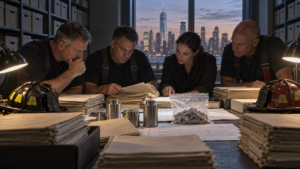
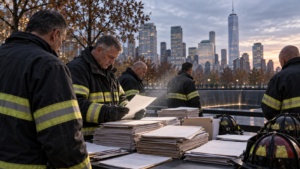




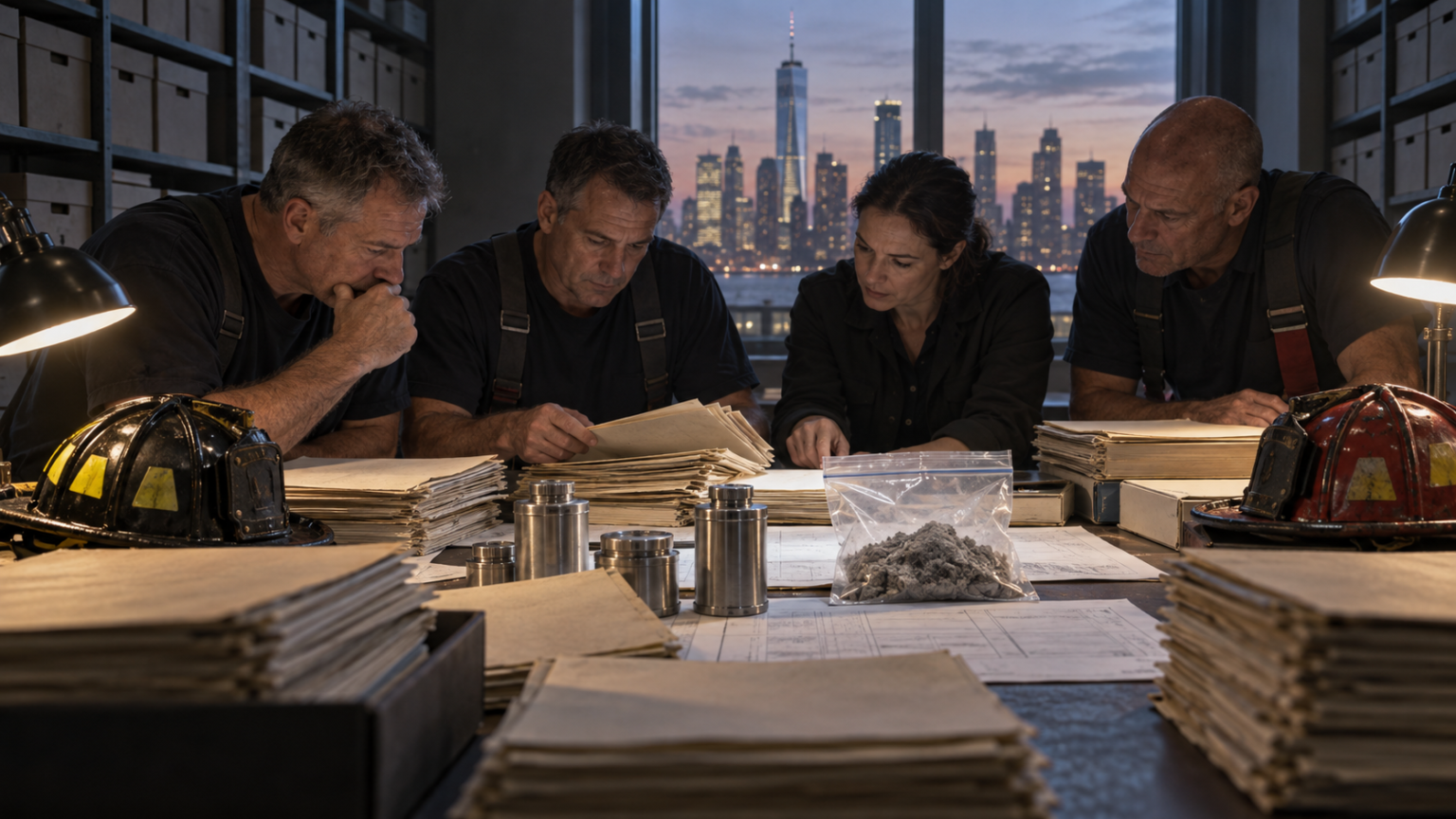
New York City firefighter unions are demanding a comprehensive investigation into more than 170,000 pages of previously unreleased records concerning air quality and toxic exposure following the September 11, 2001 attacks.
The documents, recently published through a city-operated online portal, contain internal correspondence, environmental assessments and government records related to conditions at Ground Zero. Their release has renewed questions about what officials knew regarding the dangers in Lower Manhattan and whether first responders and the public received adequate warnings.
For firefighters who participated in the rescue and recovery operations, the issue is deeply personal. Hundreds have died from illnesses linked to exposure at the World Trade Center site, while thousands more continue to receive treatment for cancer, respiratory diseases and other chronic conditions.
Union leaders pointed to a grim milestone: at least 453 members of the New York City Fire Department have died from World Trade Center-related illnesses, exceeding the 343 firefighters killed during the attacks themselves. More than 12,000 FDNY members have been diagnosed with at least one condition associated with their exposure at Ground Zero.
The newly released material reportedly includes references to asbestos, benzene and other hazardous substances detected after the towers collapsed. The destruction produced an enormous cloud containing pulverized concrete, glass, metals, insulation and chemicals released from burning buildings and equipment.
Many firefighters, police officers, construction workers and volunteers spent weeks or months working in those conditions. Some responders have said that they were initially reassured that the surrounding air was safe, even though effective respiratory equipment was not always available or consistently used.
Firefighter unions now want independent scientists, medical specialists and legal experts to examine the files. They argue that releasing the records is only the first step and that the city must explain why such a large collection remained inaccessible for approximately 25 years.
The documents could have significant consequences for the treatment of responders. If they identify additional contaminants or clarify the extent of certain exposures, the findings may help doctors understand emerging illnesses and support requests to add more conditions to federal healthcare and compensation programs.
The city released the records after settling two lawsuits brought by 9/11 Health Watch, an advocacy organization that had sought access to information about the government’s post-attack response. Officials described the publication as an important step toward transparency.
Advocates welcomed the decision but said the delay may have prevented patients and medical researchers from obtaining potentially valuable information earlier. They are calling for the documents to be indexed, analyzed and presented in a form that affected families and healthcare providers can use.
As New York marks the 25th anniversary of the attacks, firefighter organizations say remembrance must include accountability for the health crisis that followed. For thousands of responders and Lower Manhattan residents, the consequences of September 11 did not end when the fires were extinguished—they continued through years of illness, medical treatment and loss.