
As the federal government shutdown drags on in Washington, the effects are rippling through New York City — threatening the food security of millions. The Supplemental Nutrition Assistance Program (SNAP), which provides vital assistance to low-income families, faces critical funding shortages that could suspend benefits as early as next week if the impasse continues.
Officials from the New York City Department of Social Services estimate that more than 1.6 million residents rely on SNAP to afford daily meals. The prolonged federal standoff has left state and local agencies scrambling to identify emergency funding sources to fill the gap, but those reserves are quickly drying up.
“New Yorkers are already struggling with record food prices and rent costs,” said Commissioner Molly Wasow Park. “If these benefits lapse, the impact will be catastrophic — not just for families, but for local businesses and food banks that depend on the stability of this program.”
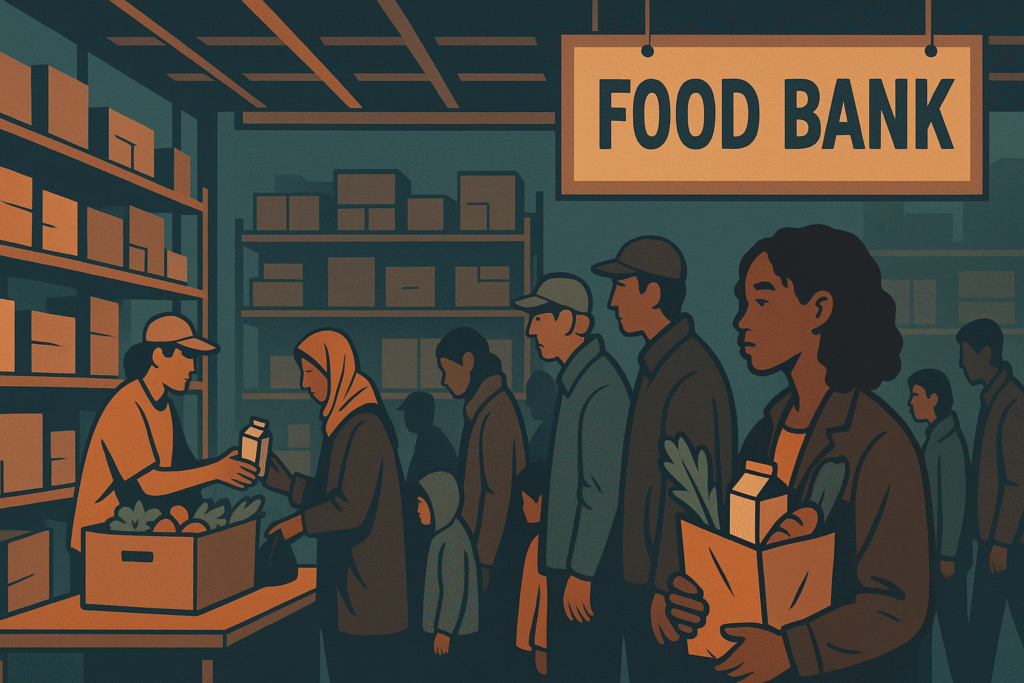
Food banks across the city are reporting surges in demand. The Food Bank for New York City noted a 30% increase in requests for assistance within just one week of the shutdown. Volunteers say the lines are growing longer by the day, with many families seeking help for the first time.
Economists warn that even short-term interruptions could trigger lasting effects. Many low-income households spend their benefits quickly, meaning any delay directly impacts grocery stores and neighborhood markets. “It’s a chain reaction,” said Columbia University economist Dr. Neil Sanders. “When federal aid stops, the entire urban food economy trembles.”
City leaders, including Mayor Eric Adams, have called on Congress to reach an immediate resolution. “This isn’t about politics — it’s about people’s ability to eat,” Adams said.
The crisis has underscored the fragility of America’s social safety nets, even in one of the world’s wealthiest cities. As Washington remains gridlocked, New York stands as a stark reminder that when the federal government falters, it is the most vulnerable who pay the highest price.