
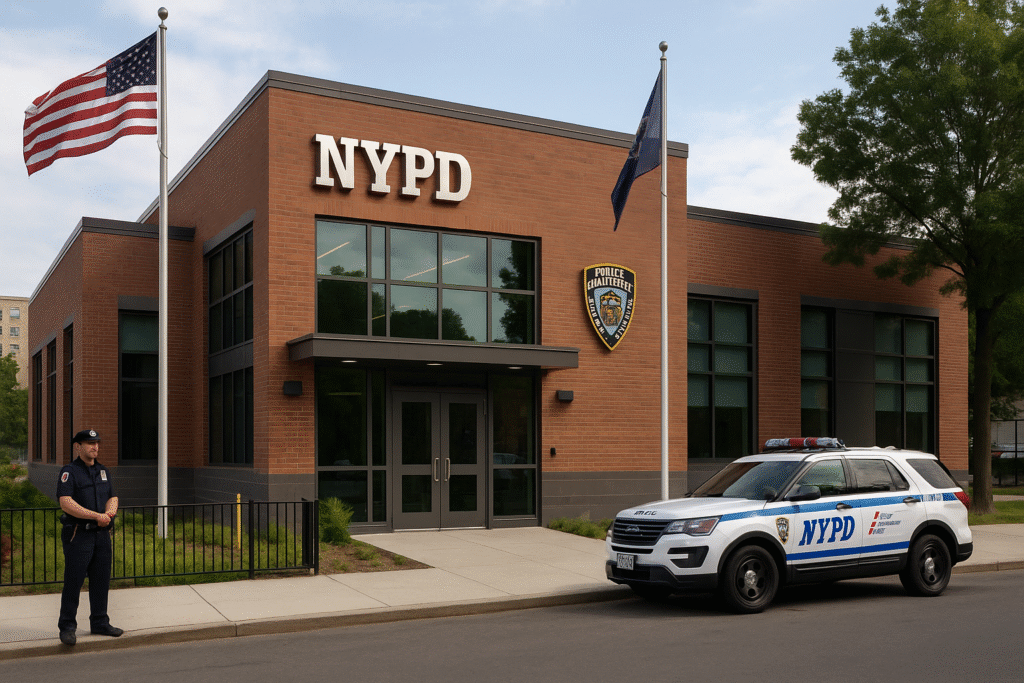
The New York Police Department (NYPD) has inaugurated a new, state-of-the-art facility in the Bronx, dedicated to supporting victims of sexual crimes and strengthening the city’s response to gender-based violence. The $5.8 million center marks a significant step toward providing survivors with comprehensive, compassionate care and improving investigative coordination.
Located within the Bronx’s Special Victims Division, the facility integrates multiple programs under one roof—combining law enforcement, forensic, medical, and psychological services. Officials say this approach will ensure victims no longer have to navigate multiple agencies or retell their traumatic experiences repeatedly.
At the ribbon-cutting ceremony, NYPD Commissioner Edward Caban emphasized the department’s commitment to protecting vulnerable residents. “This center stands as a promise to survivors—that their voices will be heard, their cases pursued with dignity, and their healing made a priority,” he said.
The center features private interview suites, trauma-informed design, and advanced digital tools to streamline investigations. It will also serve as a training hub for officers and investigators to improve sensitivity and procedural handling in sexual assault cases.
Advocates for survivors welcomed the initiative but called for broader reform. “This facility is an important milestone,” said Angela Fernandez, a Bronx-based victims’ rights advocate. “But true change comes when survivors across all boroughs have equal access to justice and support.”
City officials hope the model will eventually be replicated in other boroughs, creating a network of survivor-centered facilities across New York City. The initiative follows years of public criticism of how the NYPD handled sexual assault cases, including delays in testing evidence and a lack of victim-focused procedures.
According to recent city data, reported sexual assault cases in the Bronx have risen over the past two years, highlighting the urgent need for accessible and empathetic resources.
“This center represents not just an investment in infrastructure—but in trust,” said Deputy Mayor for Public Safety Philip Banks III. “It’s a step toward restoring confidence between survivors and the system meant to protect them.”
With the opening of this new facility, New York City aims to redefine how urban policing can intersect with care, accountability, and community trust—placing survivors at the heart of justice.