
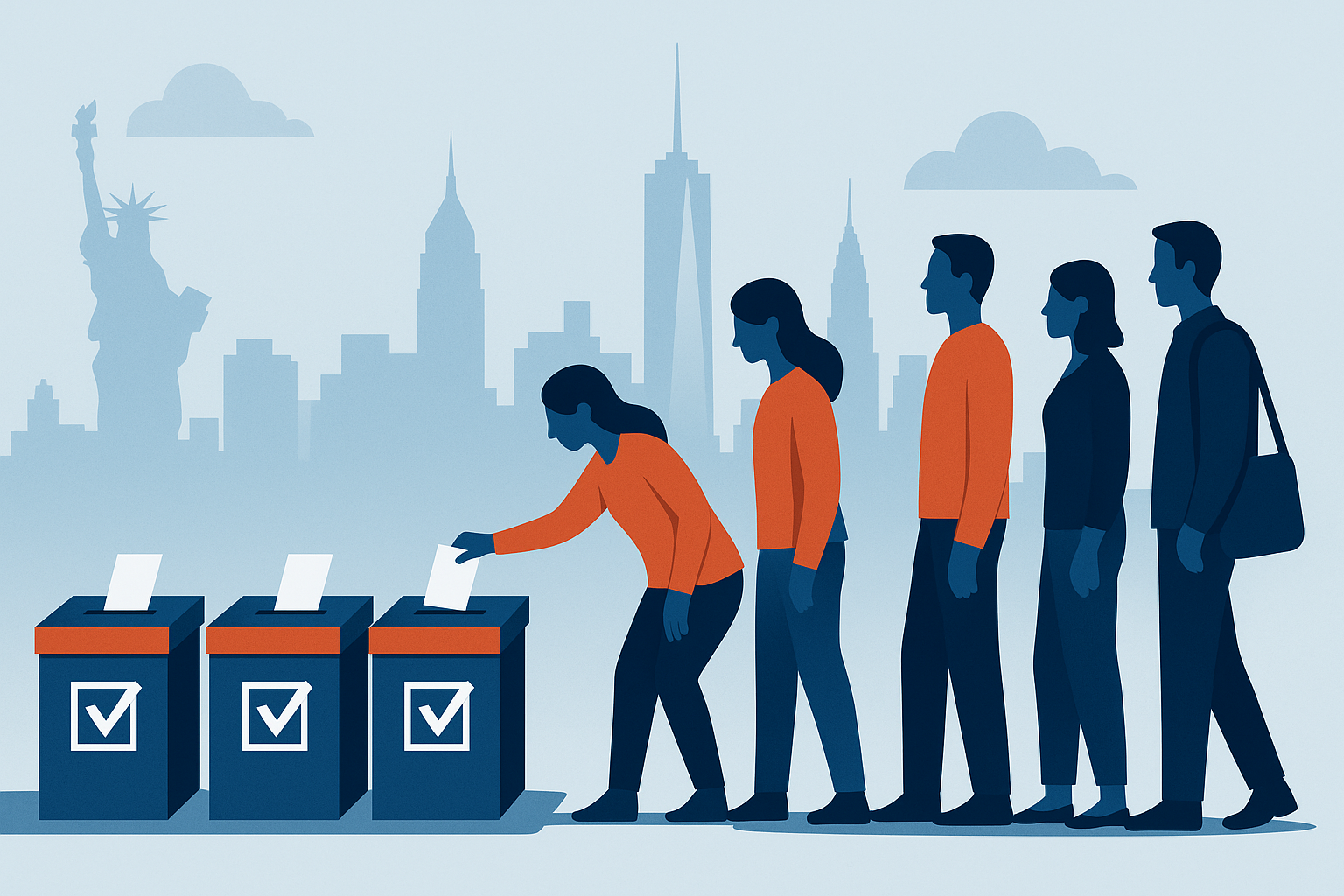
As Election Day approaches on November 4, 2025, New Yorkers will not only choose their next mayor and city officials but also decide on six key ballot proposals that could reshape local governance, housing policy, and constitutional frameworks within the city.
Overview of the Ballot Proposals
The New York City Board of Elections released details outlining the proposed measures, each addressing different aspects of city management and residents’ rights. The initiatives reflect growing concerns over housing affordability, transparency, and the modernization of city governance.
The proposals include:
Amendments to the City Charter — introducing updated procedures for budget allocations, administrative oversight, and potential changes in term limits for certain municipal positions.
Affordable Housing Expansion Initiative — allowing for greater flexibility in zoning and permitting for affordable housing developments across all five boroughs.
Tenant Protection Clause — seeking to strengthen regulations for rental increases and eviction protections in areas affected by gentrification and redevelopment.
Environmental Infrastructure Fund — proposing the creation of a dedicated city fund to support renewable energy projects, waterway cleanup, and urban green spaces.
Public Transparency Reform — requiring city agencies to publish spending and contracting data in real-time to promote public accountability.
Ethics and Campaign Finance Adjustment — tightening rules around campaign contributions, lobbying disclosures, and conflicts of interest within city contracts.
Officials Encourage Voter Participation
City officials have urged residents to review the full text of each measure before heading to the polls. Voting guides and translations are available in more than a dozen languages, ensuring that all eligible voters understand what they’re voting for.
“These proposals are not just policy ideas — they’re opportunities for New Yorkers to shape how their city operates,” said Maria Torres, a spokesperson for the Board of Elections. “In many ways, they will determine the city’s direction on housing, ethics, and sustainability for the next decade.”
Public Debate and Reactions
The proposed housing and tenant reforms have generated the most public debate. Advocates say the measures could provide much-needed relief amid a housing crisis that has seen record rent hikes, while critics warn that increased regulation could discourage private development.
Similarly, the environmental and ethics reforms have drawn support from civic groups and watchdog organizations, citing the need for cleaner governance and a more sustainable urban future.
Voting Information
Polls will open on Tuesday, November 4, from 6 a.m. to 9 p.m. Early voting continues through the preceding weekend, and absentee ballots must be postmarked by Election Day.
Voters can review the proposals in advance through the NYC Votes website or by visiting their local election office.
Outlook
With public attention heavily focused on the mayoral race, election officials hope New Yorkers will not overlook the significance of these six proposals. Together, they represent a crucial test of civic engagement and a chance to redefine how the city governs itself in the years to come.