
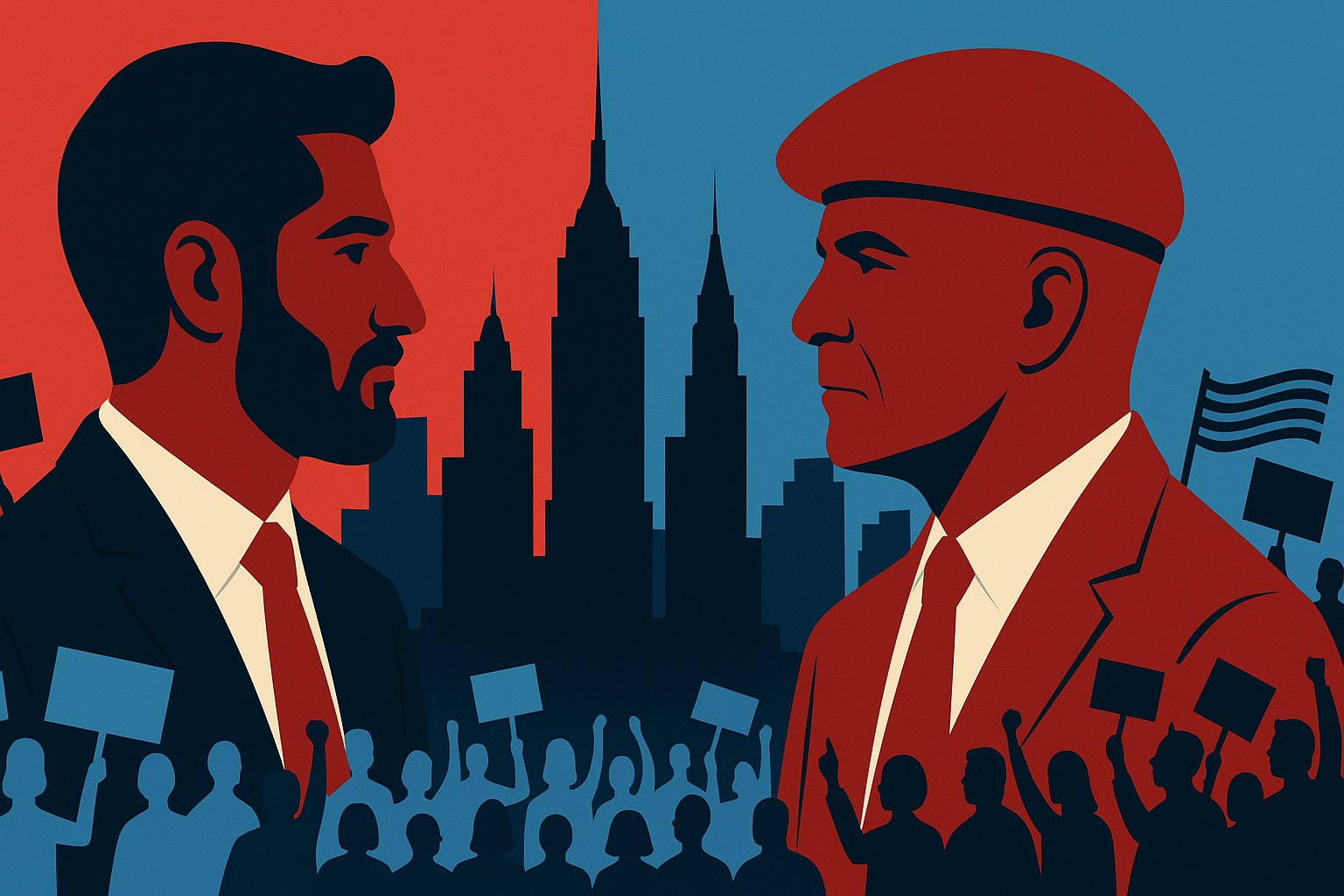
With less than two weeks remaining before New Yorkers head to the polls, the city’s mayoral race has entered its most heated phase yet. Progressive candidate Zohran Mamdani continues to lead his rivals by a solid double-digit margin, according to new polling data released this week. The contest, however, remains fluid as shifts among undecided voters and potential withdrawals could reshape the outcome.
A Tightening Race
The latest Gotham–AARP poll shows Mamdani commanding a clear lead over former Governor Andrew Cuomo and Republican challenger Curtis Sliwa, who has run a vocal campaign centered on law enforcement and public safety. However, analysts note that if Sliwa were to exit the race, the numbers suggest that Cuomo could narrow Mamdani’s advantage to within single digits — a scenario that adds fresh uncertainty to an already unpredictable race.
Political strategist Dana Rosen commented: “Mamdani’s support among younger voters, progressives, and first-time voters is remarkably strong, but turnout will determine everything. If moderate Democrats consolidate, this could turn into a much closer fight.”
The Candidates’ Focus
Mamdani, who has built his campaign around economic equity, affordable housing, and free public transit, continues to draw large crowds across the five boroughs. His message of “a city that works for all” has resonated with many voters frustrated by rising rents and inequality.
Cuomo, seeking a political comeback, has leaned on his executive experience and promises to “restore competence to City Hall,” positioning himself as a centrist alternative. Meanwhile, Sliwa has framed his campaign as a defense of traditional public safety, pledging to increase police presence and roll back several of the city’s progressive reforms.
Voter Engagement and Momentum
Early voting is set to begin next week, and enthusiasm is reportedly high. Local election offices have reported an uptick in new voter registrations, particularly among younger residents and minority communities — demographics that historically lean toward progressive candidates like Mamdani.
Political observers note that Mamdani’s effective use of social media and grassroots mobilization mirrors the digital-first strategy seen in national campaigns. “He’s essentially running an online movement as much as a political campaign,” said analyst Kevin Martinez. “That’s giving him a cultural edge that traditional campaigns lack.”
What’s Next
With debates, rallies, and endorsements still unfolding in the final stretch, New York City’s mayoral race is shaping up to be one of the most closely watched local elections in the United States this year.
Whether Mamdani can maintain his lead — or whether late momentum will shift toward his opponents — will become clear when the city casts its votes in less than two weeks. Until then, the political drama in America’s largest city shows no signs of cooling down.