
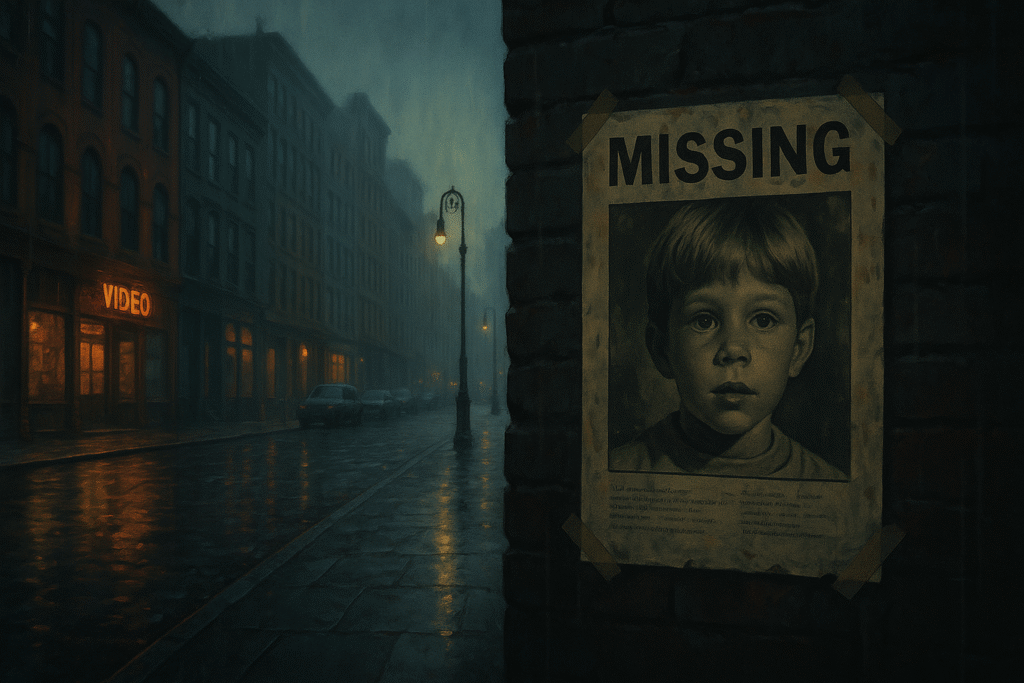
A New York video store clerk convicted in one of the most haunting child disappearance cases in U.S. history — the 1979 vanishing of six-year-old Etan Patz — could soon walk free or face a new trial, following a state appellate court decision overturning his conviction due to errors in jury instructions.
Pedro Hernandez, now 64, was sentenced in 2017 to 25 years to life in prison after a Manhattan jury found him guilty of kidnapping and murdering Etan Patz, whose disappearance while walking to his school bus stop in SoHo shocked the nation and ignited decades of investigation.
However, the New York State Court of Appeals ruled this week that the jury in Hernandez’s trial was improperly instructed on how to weigh the defendant’s mental state and confession, which played a central role in the case. The ruling determined that the instructions may have influenced the jury’s verdict, prompting the court to vacate the conviction and order further proceedings.
Etan Patz’s disappearance on May 25, 1979, was one of the first to capture national attention, leading to sweeping changes in how missing children cases are handled. His photo was among the first to appear on milk cartons across the U.S., symbolizing the widespread fear and heartbreak of the case.
For decades, the investigation remained unsolved until 2012, when Hernandez, then living in New Jersey, confessed to police that he had lured Etan into the basement of the store where he worked and strangled him. Despite the confession, no physical evidence ever linked him to the crime, and his defense argued that he suffered from mental illness and had been coerced into making a false statement.
The jury in the first trial in 2015 was deadlocked, but a retrial two years later led to Hernandez’s conviction. Now, that decision has been thrown into question.
Legal experts say prosecutors must decide whether to retry Hernandez or release him pending further review. The Manhattan District Attorney’s Office said it is “reviewing the court’s decision carefully and will determine next steps soon.”
The Patz family, who have endured more than four decades of uncertainty, expressed renewed anguish over the ruling. “This is a nightmare that never ends,” a family spokesperson said.
The case of Etan Patz remains a painful chapter in New York City’s history — a story of innocence lost, justice delayed, and questions that continue to haunt generations.