
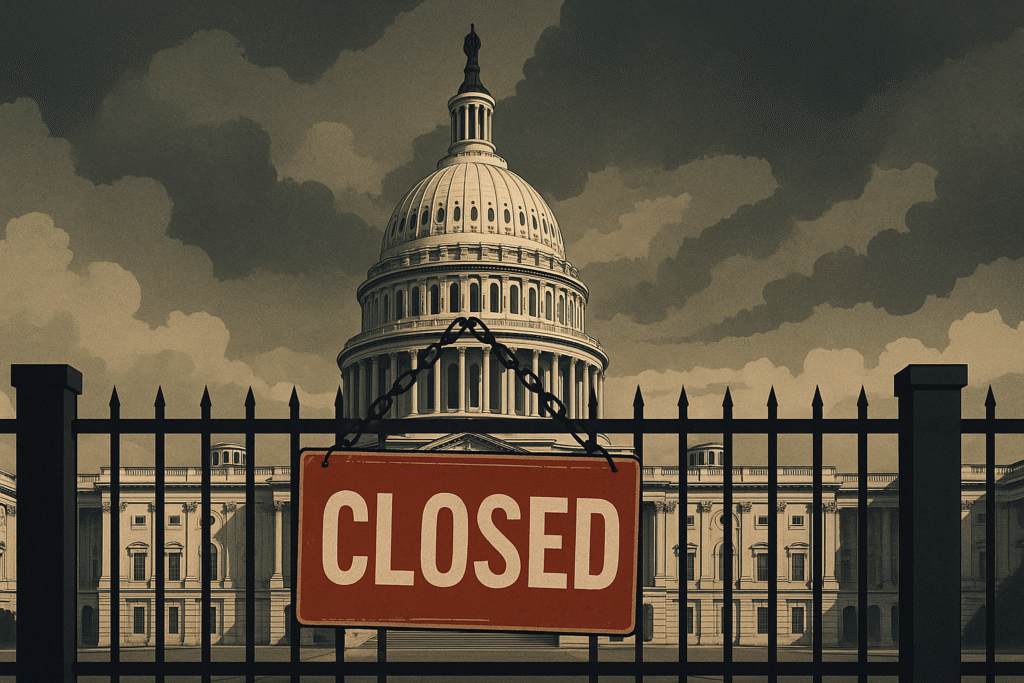
With the September 30 fiscal year deadline fast approaching, Congress is under intense pressure to approve new spending measures and avoid a government shutdown. Unless lawmakers pass a temporary funding law—known as a “continuing resolution”—or finalize annual appropriations bills, many federal agencies may be forced to scale back or suspend operations.
Potential Impact on Americans
A shutdown would ripple through the daily lives of millions. Federal employees could be furloughed or see their paychecks delayed, while national parks, museums, and some public services may close. Administrative processes such as passport applications and certain healthcare programs would slow down significantly. Although core functions like national defense, air traffic control, and emergency medical care would continue, they would likely operate with reduced staffing, adding strain to already critical services.
Stalemate in Congress
Budget negotiations remain deeply divided. Democrats are pushing to maintain Medicaid expansions and preserve subsidies under the Affordable Care Act, while Republicans are calling for tighter spending limits and cuts to federal programs. These policy disagreements have created a stalemate, complicating efforts to pass a funding package before the deadline.
Economic Risks
Economists caution that even a brief shutdown could weigh on the U.S. economy. Past shutdowns have curtailed GDP growth, undermined consumer confidence, and caused volatility in financial markets. With the economy already grappling with inflationary pressures and slower growth, a funding lapse could further destabilize outlooks.
What Comes Next
Congress has less than two weeks to reach an agreement. If no deal is reached, agencies will begin rolling out contingency plans to cope with lapses in funding. The White House has urged swift action, stressing that workers and citizens should not suffer the consequences of political deadlock.
The looming threat of a shutdown underscores the broader challenges of navigating governance in a polarized environment. Whether lawmakers bridge their differences or allow a shutdown to unfold will be decided in the critical days ahead.