





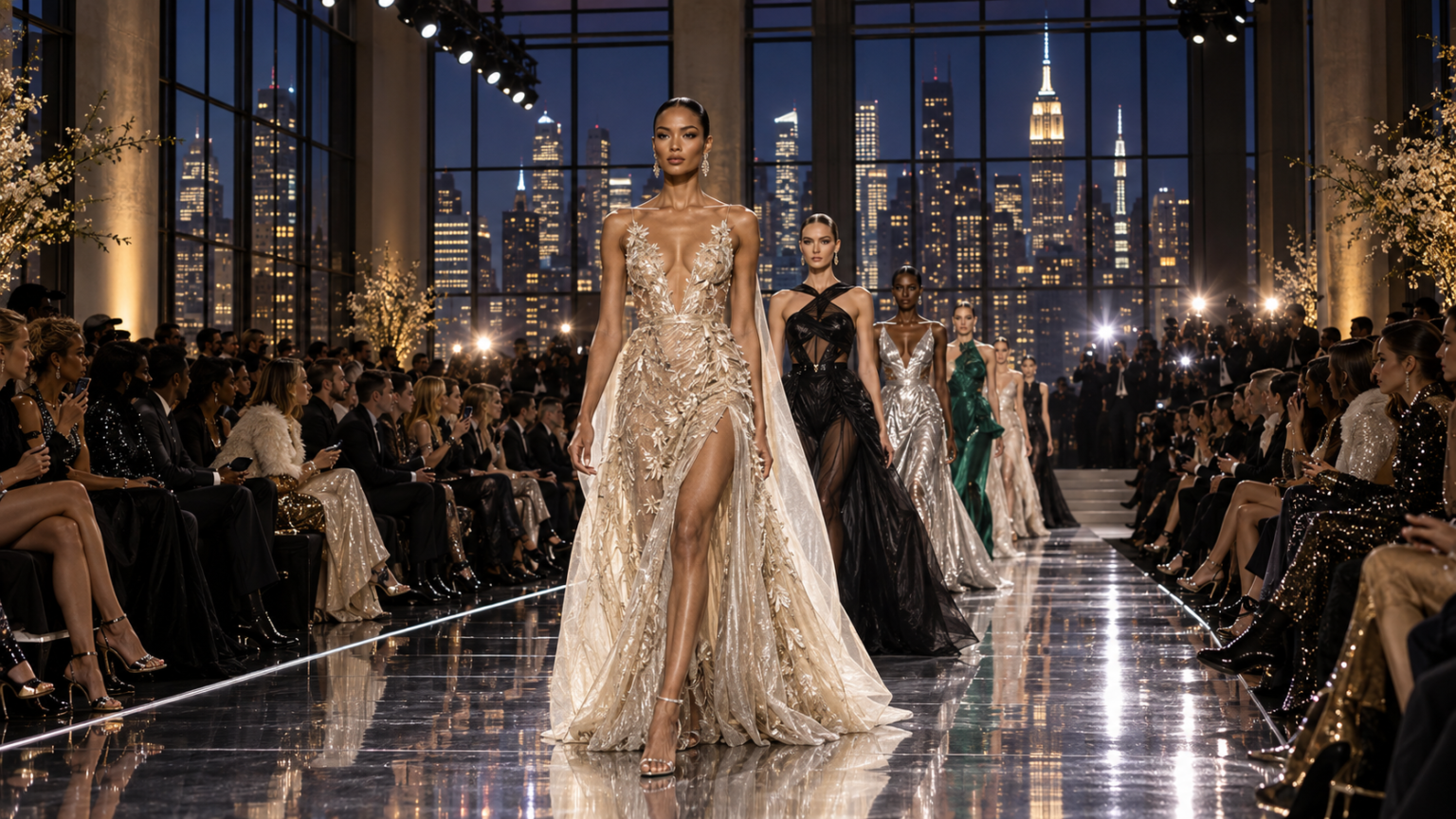
New York Fashion Week continued across Manhattan this week, bringing together established fashion houses, emerging designers, models, celebrities, buyers and international media for one of the industry’s most closely watched events.
The official program runs from September 10 through September 15 and includes approximately 70 runway shows and designer presentations. Additional collections have been unveiled through private appointments, digital releases and independent events outside the main calendar.
This season’s schedule combines influential American labels with designers making their first official Fashion Week appearances. Major participants include Michael Kors Collection, Calvin Klein Collection, Tory Burch, Carolina Herrera, Tommy Hilfiger, Khaite, Altuzarra, Anna Sui, Prabal Gurung and Proenza Schouler.
Diane von Furstenberg opened a new creative chapter under artistic director Henry Zankov, while returning brands contributed to a calendar designed to balance New York’s fashion heritage with an emerging generation of designers.
Among the week’s widely discussed moments was Christie Brinkley’s return to the runway after seven years. The 72-year-old model appeared in Dennis Basso’s show at Spring Studios, wearing an off-the-shoulder evening gown featuring sheer sleeves and pearl detailing.
The presentation attracted several prominent guests, including Laverne Cox, Bella Thorne and Huma Abedin. Other events throughout the week drew figures from entertainment and sport, reinforcing the connection between New York fashion, celebrity culture and commercial promotion.
Collections presented during the week explored contrasting interpretations of contemporary American style. Some designers embraced restrained tailoring, practical separates and minimalist silhouettes, while others featured vivid colours, sculptural clothing, elaborate eveningwear and experimental materials.
Emerging labels also received significant attention. The official schedule included several newcomers, among them Conner Ives, Magda Butrym, Sabyasachi, Benjamin Seidler and Zaldy. Their inclusion demonstrated Fashion Week’s continuing role as a platform for designers seeking wider recognition from retailers, editors and global audiences.
Beyond traditional runway shows, jewellery and accessory presentations contributed to the program. Milamore displayed pieces influenced by the Japanese art of repairing broken pottery with gold, while Juju Vera presented jewellery incorporating net-like structures, gold and diamonds from its downtown Manhattan studio.
Fashion Week’s influence extended throughout the city. Hotels, restaurants, galleries and event venues hosted launches, private dinners and industry gatherings, while crowds of photographers documented street style outside the shows.
The event is also becoming more accessible beyond invitation-only venues. Selected presentations and related programming have been shown publicly through large outdoor screens, allowing New Yorkers to follow parts of the schedule without attending the runway events.
Thom Browne is expected to bring the official program to a theatrical conclusion on September 15. The designer’s closing presentation will cap six days that have highlighted New York’s continuing importance as a centre of design, retail, entertainment and cultural influence.
While clothing remains the central focus, Fashion Week also functions as a major business event. Designers use the platform to attract buyers, generate media exposure and establish the trends expected to shape the Spring 2027 season.