






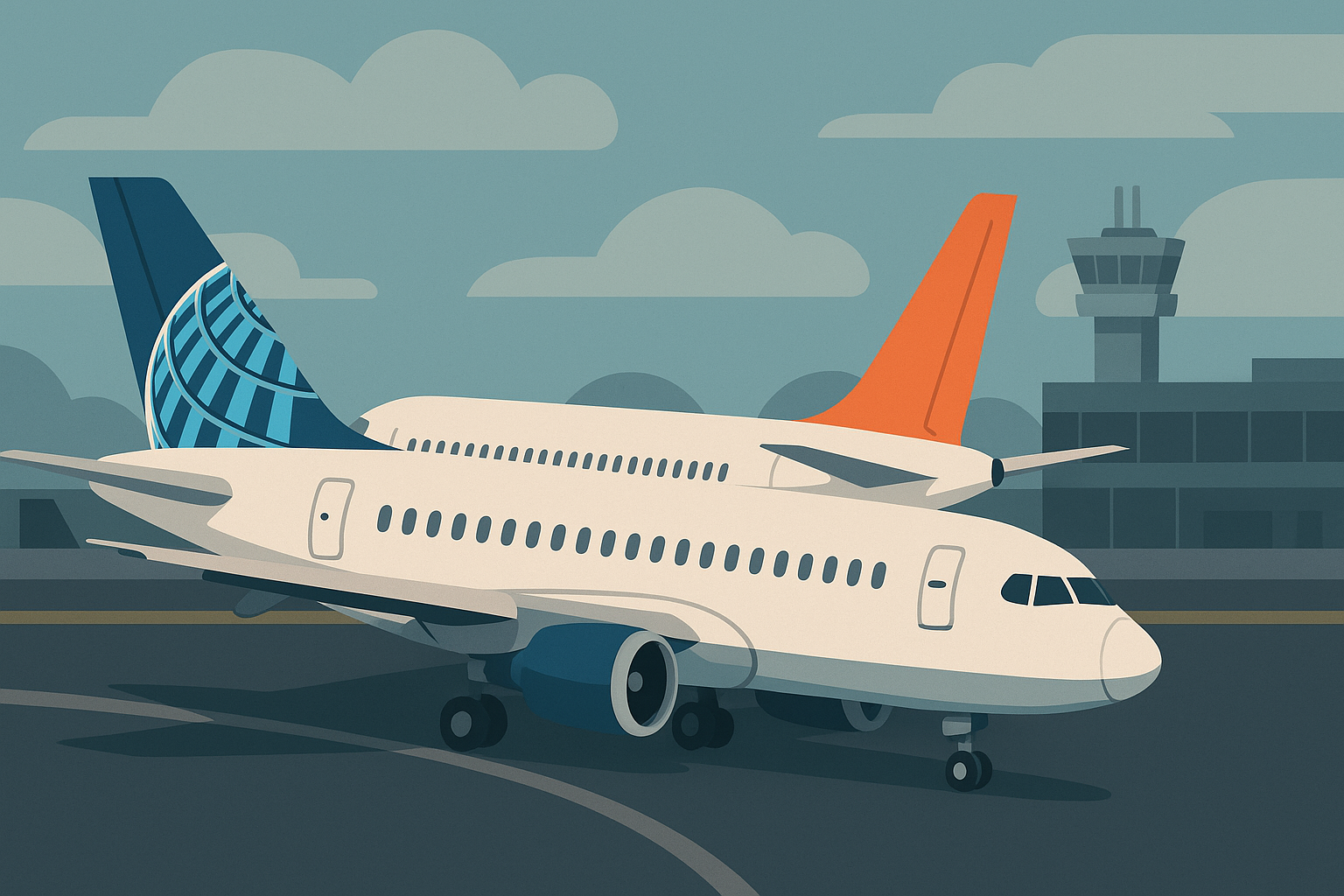
A minor aircraft collision at LaGuardia Airport on Saturday night raised new concerns about safety protocols at one of the busiest air travel hubs in the United States. A United Airlines jet, taxiing toward its gate, struck the tail of another stationary plane, prompting an immediate suspension of operations at the affected terminal.
According to preliminary reports from the Federal Aviation Administration (FAA), the incident occurred shortly before 9 p.m. when the United aircraft, arriving from Chicago, made contact with the parked plane’s rear fuselage. Both planes sustained visible damage, but no injuries were reported among passengers or crew members.
Emergency crews quickly responded to the scene, assisting passengers as they deplaned safely. United Airlines confirmed that the flight was canceled and that a full safety inspection is underway. “The safety of our customers and employees is our top priority,” the airline said in a statement.
While the collision was relatively minor, aviation experts say such ground incidents highlight the increasing congestion and complexity of airport operations in major cities like New York. With LaGuardia handling tens of thousands of flights each month, small lapses in coordination between pilots, ground control, or maintenance staff can have costly — and potentially dangerous — consequences.
The FAA has launched an investigation to determine whether human error, equipment malfunction, or miscommunication played a role. In recent years, LaGuardia and other major airports have expanded ground radar and digital taxiway systems to prevent such mishaps, but experts warn that continued investment in modern airfield safety technology is essential.
As air travel rebounds post-pandemic, this incident serves as a reminder that even the most routine moments of aviation — such as taxiing on the runway — demand constant vigilance, precision, and coordination to ensure passenger safety in crowded urban skies.