





Consumer sentiment in the United States fell for the second month in a row, according to the latest University of Michigan survey released Friday. The report reflects growing anxiety among households about the state of the economy, driven by inflationary pressures, sluggish growth, and ongoing uncertainty over trade policies.
Survey Findings
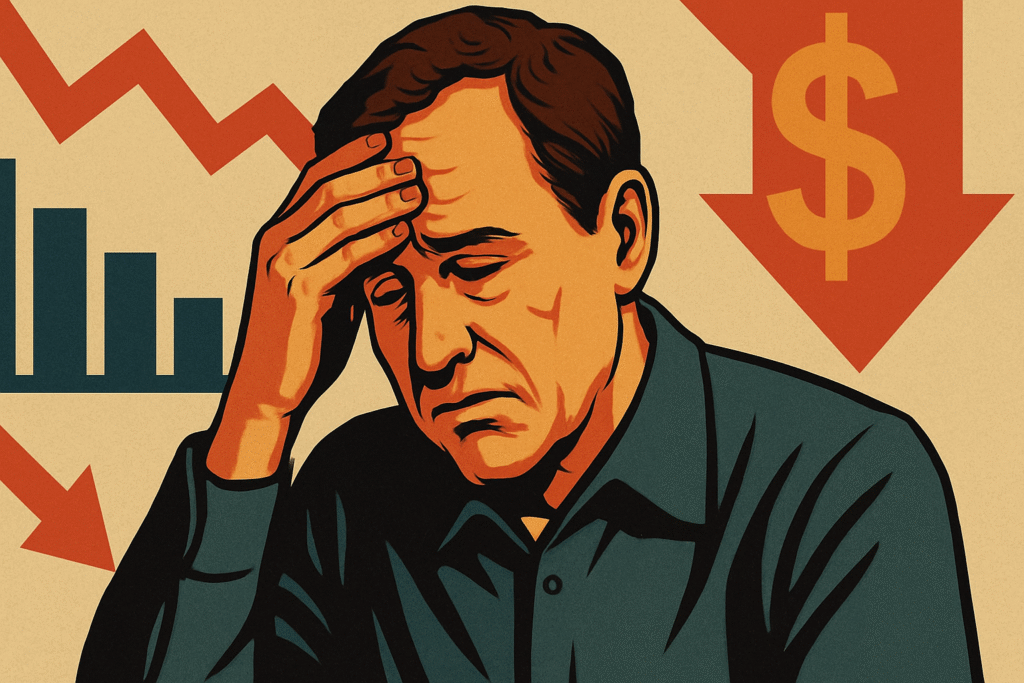
The index tracking nationwide consumer confidence registered another decline compared to August, signaling that Americans’ outlook on the economy remains fragile. Although the drop was less steep than earlier this year, analysts say the trend points to persistent concerns about financial stability.
Respondents cited higher costs for food, housing, and household goods as key reasons for their declining optimism. Many also expressed doubts about wage growth keeping pace with rising expenses. In addition, uncertainty over U.S. trade policies—particularly tariffs and supply chain disruptions—was highlighted as another source of unease.
Inflation and the Fed’s Challenge
The survey results show that inflation remains a central worry. Despite the Federal Reserve’s recent interest rate cut, aimed at boosting economic activity, many Americans believe higher prices will continue to undermine purchasing power. Long-term inflation expectations edged up in September, suggesting that households fear cost pressures could persist into 2026.
Broader Implications
Economists warn that continued weakness in consumer sentiment could translate into slower household spending, which accounts for the majority of U.S. economic activity. Lower confidence often signals reduced demand for housing, retail goods, and major purchases such as cars and appliances.
Markets responded cautiously to the survey’s release. U.S. equity futures slipped slightly as investors weighed the risk of softer consumer demand against the Fed’s recent policy moves to support growth.
Looking Ahead
Analysts remain divided on the outlook. Some believe confidence could improve later this year if inflation shows signs of easing, while others caution that political divisions, trade tensions, and global economic headwinds may keep sentiment under pressure.
The University of Michigan’s consumer sentiment index is widely regarded as an early indicator of household and business behavior. September’s decline suggests that American families are preparing for more difficult economic conditions in the months ahead.