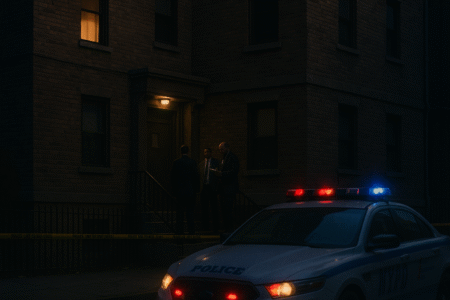




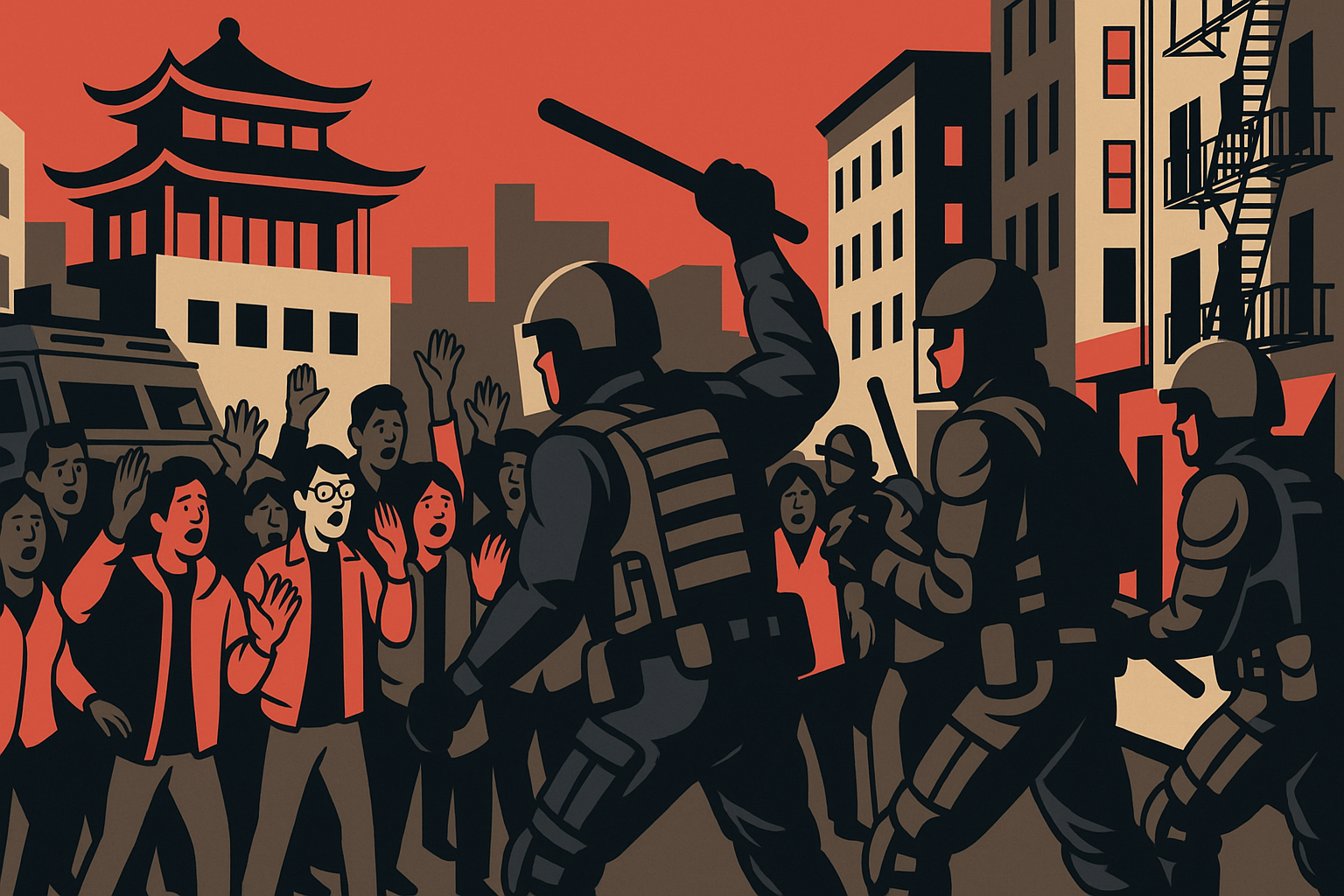
A large-scale raid by U.S. Immigration and Customs Enforcement (ICE) and its federal partners in Manhattan’s Chinatown district has ignited public outcry after reports of forceful tactics and multiple arrests.
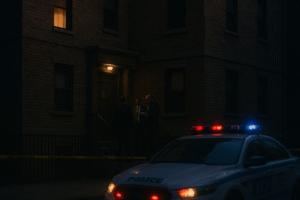
The operation, which took place near Canal Street, targeted street vendors allegedly selling counterfeit goods. Witnesses said agents arrived in armored vehicles and full combat gear, using batons and physical force to detain vendors and disperse protesters. The sudden action triggered chaos in the neighborhood, long known for its dense immigrant population and bustling street markets.
According to local reports, several people — including vendors and demonstrators — were arrested during the raid. The federal agencies involved have not yet released official numbers or detailed charges.
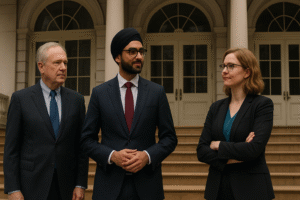
Mayor Eric Adams and Governor Kathy Hochul both condemned the operation, labeling it “an overreach” and “a form of social terrorism” that undermines trust between immigrant communities and law enforcement. “New York is a city built by immigrants. Operations like this only sow fear and division,” Mayor Adams said in a statement.
Residents of Chinatown expressed similar sentiments, describing the raid as traumatizing and unnecessary. “They came like it was a war zone,” said one shopkeeper. “People were running, screaming — it felt like we were being invaded.”
While ICE officials stated that the purpose of the raid was to combat the sale of counterfeit goods, community advocates argue that the approach was disproportionate. Local advocacy groups warned that such actions could discourage immigrants from cooperating with authorities or reporting crimes.
The incident reignited debate over the balance between federal enforcement and local autonomy in New York City — a self-declared “sanctuary city” that limits cooperation with federal immigration authorities.
As protests continue in Chinatown and beyond, city officials have called for an investigation into the conduct of the federal agents involved, urging Washington to reconsider the methods used in densely populated immigrant neighborhoods.