






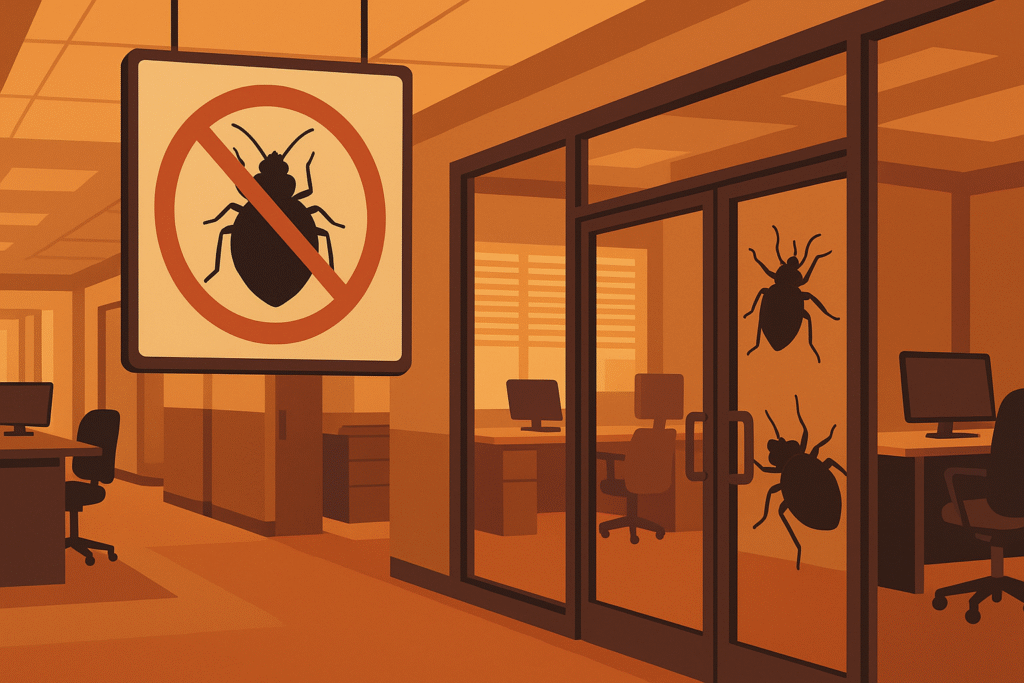
Tech giant Google has temporarily closed part of its Manhattan headquarters in the Chelsea neighborhood after what officials described as credible evidence of a bedbug infestation. The discovery prompted immediate inspections and fumigation, underscoring growing concerns about workplace hygiene and pest control in large urban office spaces.
Discovery and Response
According to internal reports, the suspected bedbugs were identified late last week in a section of the office used for collaborative work and meeting areas. After staff members reported multiple bites and sightings of small insects, building management initiated a full pest inspection by a licensed extermination team.
“Out of an abundance of caution, we closed affected areas to conduct professional treatment and ensure the health and safety of our employees,” a Google spokesperson confirmed in a statement. “The situation is being handled swiftly, and we have not received any further reports since the initial inspection.”
Employees working in the impacted zones were temporarily allowed to work remotely while the cleaning and inspection processes were completed.
Health and Hygiene Implications
Bedbugs are small, parasitic insects that feed on human blood and are notoriously difficult to eradicate once they infest a space. While they do not transmit diseases, their bites can cause itching, allergic reactions, and anxiety among those exposed.
Experts say infestations in office buildings are relatively rare compared to residential settings but can spread quickly through shared furniture, luggage, or clothing. “In densely populated cities like New York, even the most high-tech environments aren’t immune,” said Dr. Emily Nguyen, a public health entomologist. “The key is early detection and prompt intervention.”
Broader Context
New York City has seen a resurgence of bedbug reports in recent years, with hotels, schools, and office buildings occasionally affected. Pest control experts link this trend to increased global travel, secondhand furniture use, and greater urban density.
The incident at Google follows similar episodes in other major corporations over the past decade, highlighting that even world-leading tech firms must prioritize workplace sanitation alongside innovation.
Preventive Measures
Following the incident, Google has stepped up its pest control protocols, including routine inspections, deep cleaning, and enhanced employee guidance on maintaining clean workspaces. Staff members were advised to check personal belongings and report any unusual symptoms or insect sightings.
Facilities managers emphasize that pest management is an integral part of modern corporate operations. “Office hygiene is not just about cleanliness—it’s about employee comfort and confidence,” said Alan Brooks, a building maintenance consultant in New York. “A small incident, if mishandled, can damage both morale and reputation.”
Looking Ahead
As operations resume at the Chelsea campus, Google has assured employees and visitors that the premises are safe and fully treated. The episode serves as a reminder that even the most advanced workplaces in the world must remain vigilant against the smallest of intruders.