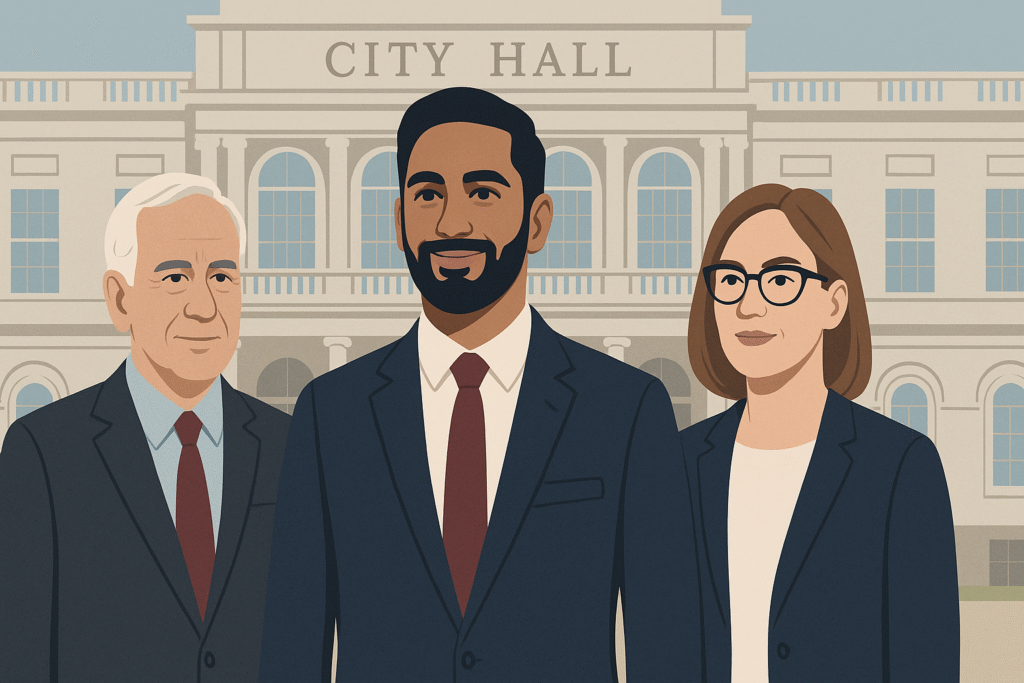





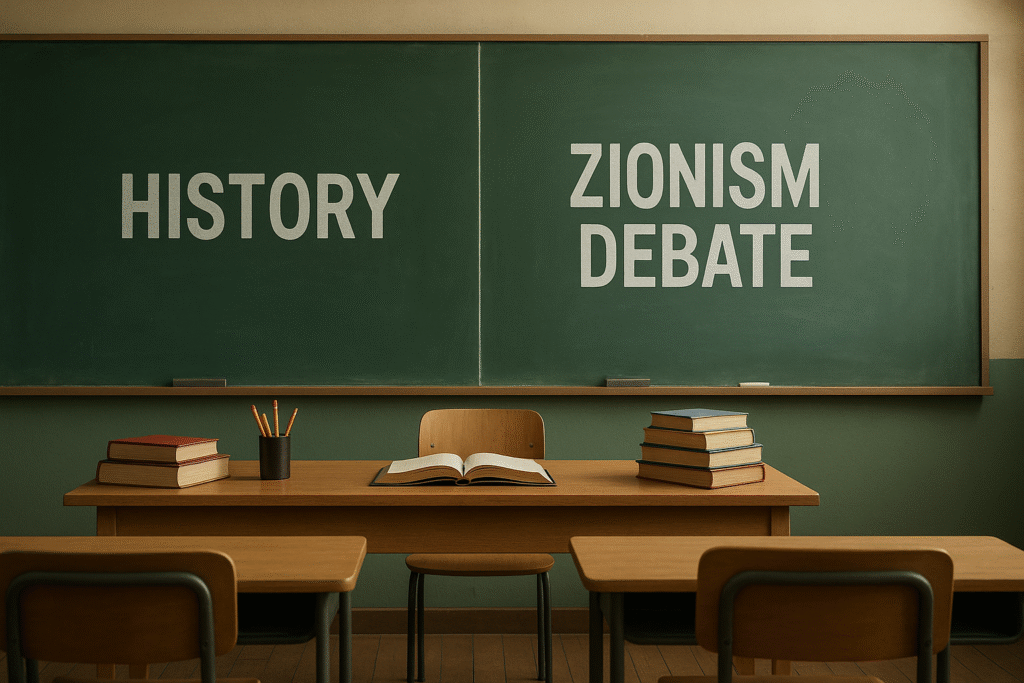
A heated debate has emerged across Manhattan and Long Island over how Zionism is represented in public school curriculum materials, raising questions about academic neutrality, religious sensitivity, and political influence in education.
The controversy began after parents and educators in several Long Island districts criticized sections of a global history Regents review packet that described Zionism as a form of “extreme nationalism.” Critics argue that such language misrepresents Jewish history and identity, while others defend it as a legitimate academic interpretation within the broader study of nationalism.
Concerns from the Jewish Community
Jewish organizations, including the Anti-Defamation League (ADL) and several local synagogues, have condemned the material, calling it biased and harmful. They argue that equating Zionism — the movement advocating for Jewish self-determination — with extremism fosters misunderstanding and could fuel antisemitic attitudes among students.
“Zionism is not extremism; it’s a movement for safety, identity, and homeland,” said Jonathan Greenblatt, CEO of the ADL. “We cannot allow classroom materials to distort Jewish history or demonize an entire community.”
Academic and Institutional Response
The New York State Education Department (NYSED) issued a statement emphasizing that the controversial text was not part of the official state curriculum, but rather supplemental material prepared by local educators. NYSED added that it is conducting a review of the teaching resources and will provide new guidance to ensure balanced and factual instruction.
Educators, meanwhile, have defended their autonomy in developing teaching aids, stating that discussing Zionism — like other national movements — is necessary for understanding global political dynamics. Some teachers say they feel unfairly targeted amid rising polarization around the Israeli–Palestinian conflict.
“We aim to teach history, not ideology,” said one Manhattan high school history teacher. “Students must learn to analyze movements — including Zionism — in context.”
Political and Social Dimensions
The issue has quickly gained political traction, with state legislators and advocacy groups weighing in. Lawmakers have called for clearer oversight on how sensitive political and religious topics are presented in classrooms, urging transparency and consultation with cultural experts.
In Manhattan, some parent associations have organized forums and community discussions to address how such materials should be framed in multicultural education. The broader debate touches on a recurring challenge in New York’s diverse education system: balancing academic freedom with cultural respect and social responsibility.
As schools review their resources ahead of the next academic term, officials say the goal is to ensure that students engage with complex subjects critically and compassionately, without reinforcing stereotypes or political biases.